







Zari Work Saree for Women, How to Tell Good Zari From Average

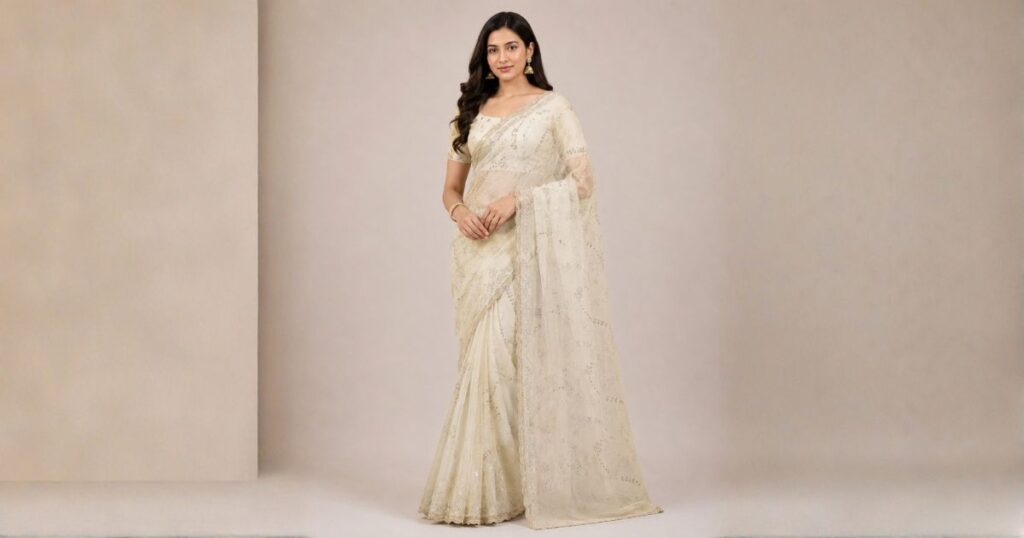
zHold a zari saree up to a window and it changes as you turn it. The metallic threads catch the light one way, then another. That shimmer is the reason zari has been part of Indian weddings for generations, and why almost every woman’s wardrobe has at least one zari work saree tucked away for important days.
But not all zari is the same, and the difference shows after a few wears. Here is what to look at before you buy.
What zari actually is
Zari is a metallic thread used in weaving and embroidery. Traditionally it was made by wrapping fine silver or gold wire around a silk core. Today most zari is made with metallic-coated threads on a polyester or silk base, which keeps the shine and makes sarees far more affordable.
There is nothing wrong with modern zari. What matters is how well it is made and how it has been worked into the fabric.
Woven zari versus embroidered zari
There are two main ways zari appears on a saree.
Woven zari is part of the fabric itself. The metallic thread runs through the loom along with the base yarn, creating borders, buttis and patterns that are integral to the cloth. Banarasi and many Chanderi weaves use this method.
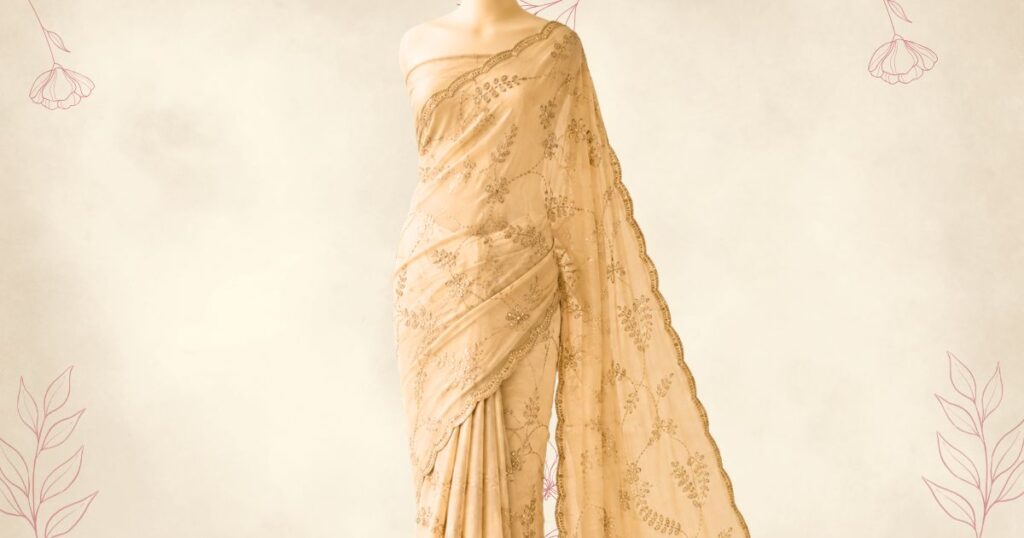
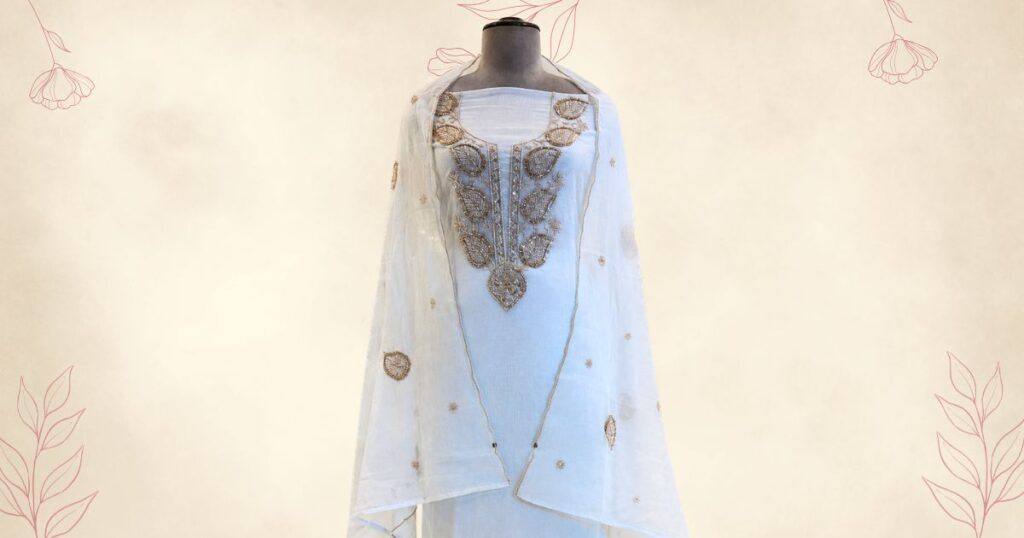
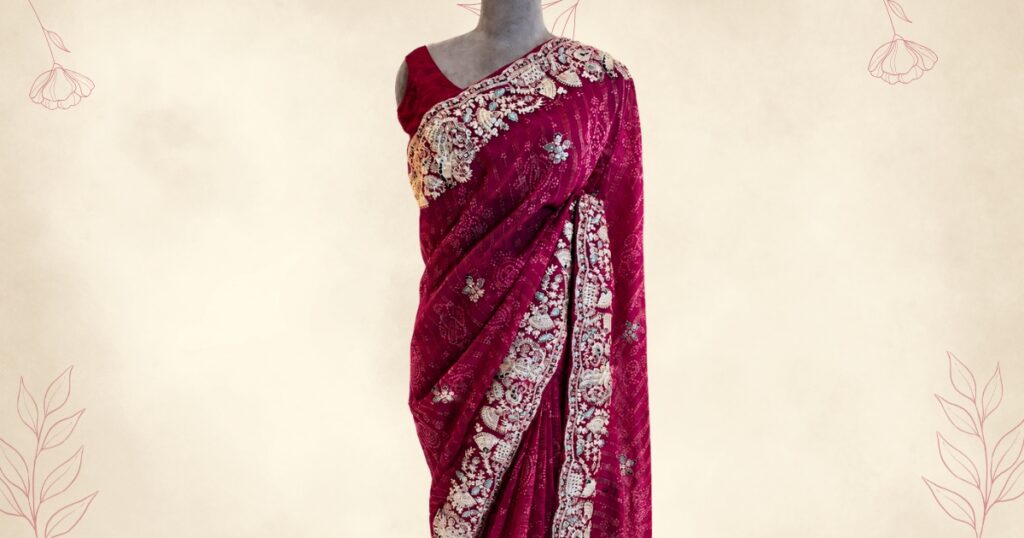
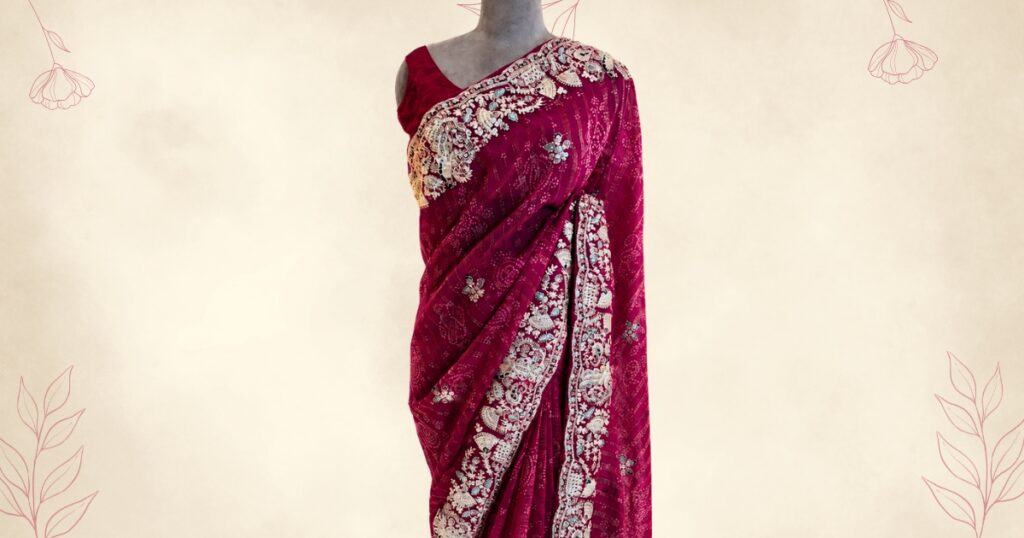
Embroidered zari is stitched on top of a finished fabric by hand or machine. It allows more freedom of design, with curving vines, florals and dense neckline work that weaving cannot easily produce.
Neither is better by default. Woven zari tends to last longer and feel smoother. Embroidered zari offers more variety and is often lighter.
Signs of good zari work
When you are looking at a zari border saree, check a few things.
- Turn it over. On woven zari, the back shows floating threads in a neat pattern. On embroidery, the back should be tidy, not a tangle of loose ends.
- Run your fingers over the work. Good zari feels smooth, not scratchy.
- Look at the shine. Better zari has a soft, even glow. Very harsh, mirror-like shine sometimes signals cheaper coating that may dull quickly.
- Check the edges of the border. The zari should be firmly anchored with no gaps or pulled threads.
Choosing the right zari style for the occasion
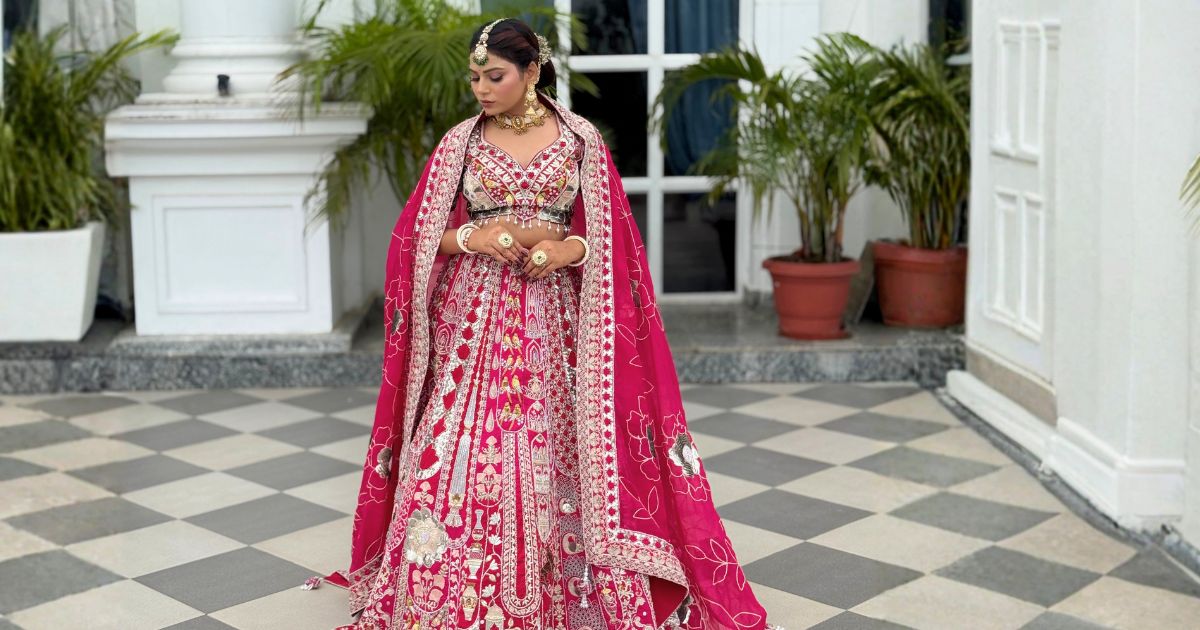
For a bride or a close family member at a wedding, a wedding zari saree with a broad border and a heavy pallu is the classic choice. For a guest, a narrower border with small buttis on the body looks festive without competing with the bride.
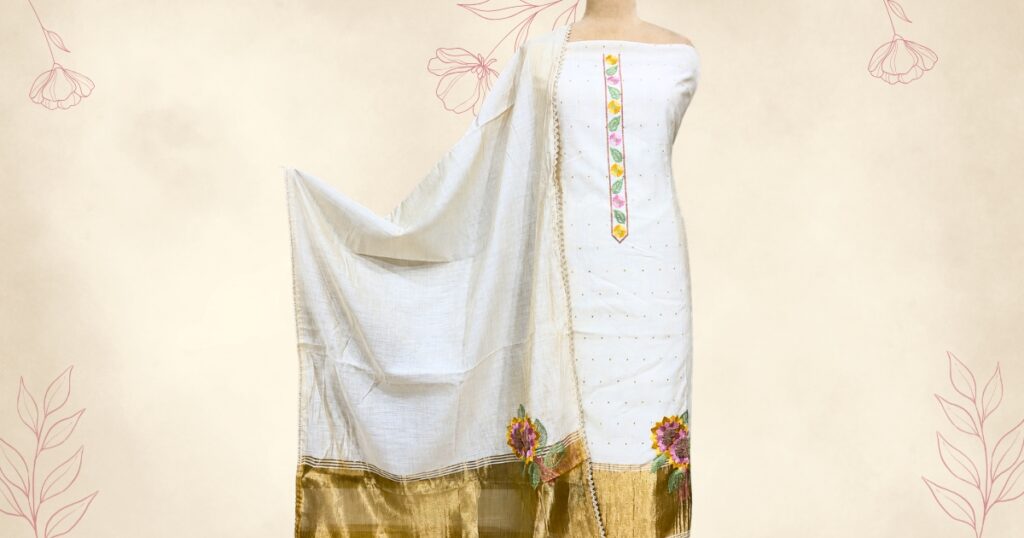
For festivals and pujas, a zari border on a soft silk or georgette base keeps things comfortable. And for office festive days, a thin zari line on a cotton or Chanderi saree gives just a hint of shine.
Colours that let zari shine
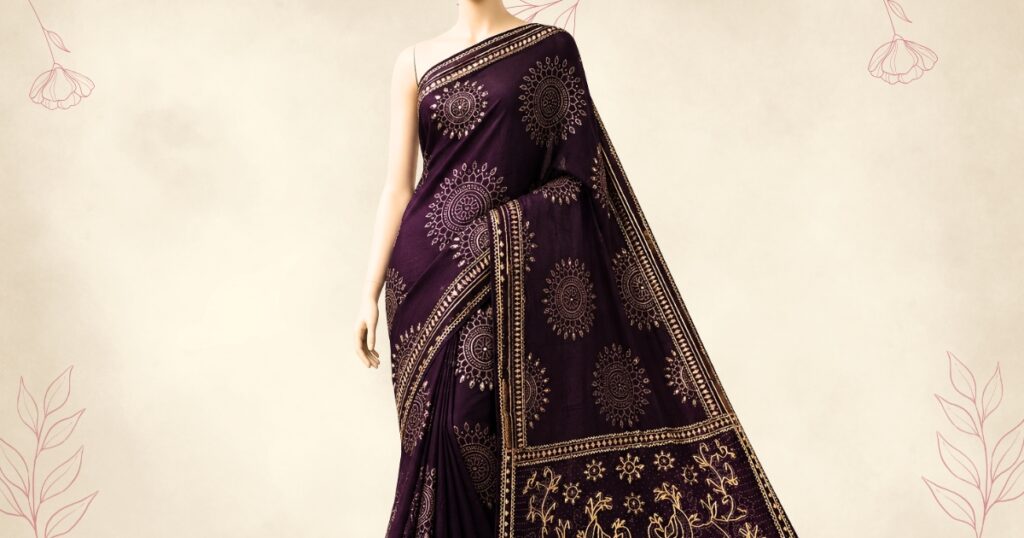
Gold zari looks richest against deep base colours. Maroon, bottle green, royal blue, purple and black all make gold stand out. On pastels, silver zari often looks fresher and more modern than gold.
If you are unsure, a red or rani pink base with gold zari border is about as safe and festive as Indian dressing gets.
Caring for zari so it keeps its shine
Zari can tarnish when it meets moisture, perfume and air for long periods. A few habits help it last.
- Always dry clean zari sarees, or have them steam pressed gently.
- Spray perfume before you put on the saree, never directly on the zari.
- Store it wrapped in a soft muslin or cotton cloth, not plastic, which traps moisture.
- Refold every few months along new lines so the zari does not crack at the folds.
- Keep a small packet of silica gel in the cupboard during the monsoon.
A quick word on how much zari is enough
There is a temptation, especially at weddings, to choose the heaviest zari saree in the shop. Sometimes that is right, particularly for the bride or her mother. For most other roles, a saree where the zari is concentrated on the border and pallu, with a lighter body, is more comfortable and looks more refined in photographs.
Think about how long you will wear it, whether you will sit on the floor, and whether the function is outdoors in the sun. Heavy zari can feel warm and stiff over a long day. A balanced piece is often the one you will reach for again and again, long after the wedding season ends. Many women find their most-worn zari saree is not the grandest one they own.
Also read
Shop the look at Radhisha
Shop zari work sarees and suits for weddings and festivals at radhisha.com, with free shipping across India.

radhisha