








Printed Suit for Women, From Ikat and Stripes to Bandhej Prints


Open most women’s wardrobes and you will find more printed suits than anything else. There is a good reason for that. A printed suit for women hides small stains, needs little accessorising, and looks finished the moment you put it on. On a busy morning, that matters more than almost any trend.
But prints are not all the same, and picking the right one for your style and the occasion makes a real difference.
Why prints are so practical
A solid suit shows every crease and every splash of chai. A printed one forgives a lot. Prints also break up the silhouette, which many women find flattering, and they let you wear colour without it feeling too loud.
Prints are also an easy way to try a new colour. If you are not sure about mustard or teal, a print that mixes it with neutrals is a gentle introduction.
Ikat, a print with a woven look
Ikat is traditionally a weaving technique, where threads are dyed before weaving to create blurred, feathered patterns. Today, digital ikat prints recreate that look on fabrics like muslin and silk.
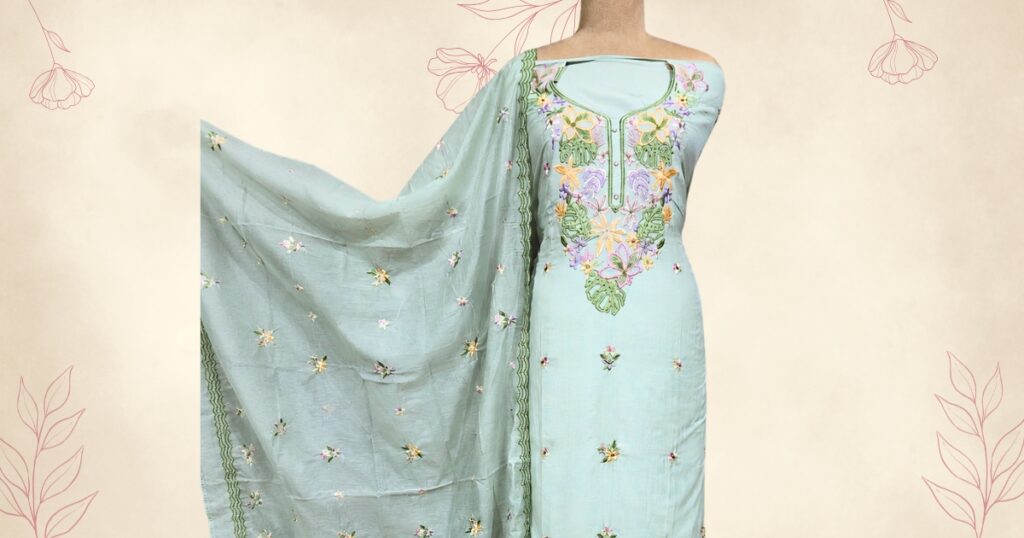
A muslin silk suit with a digital ikat print and handcrafted kantha work, for example, combines the bold geometry of ikat with soft hand embroidery. It looks thoughtful enough for a small family function and comfortable enough for a long working day.
Stripes and geometric prints
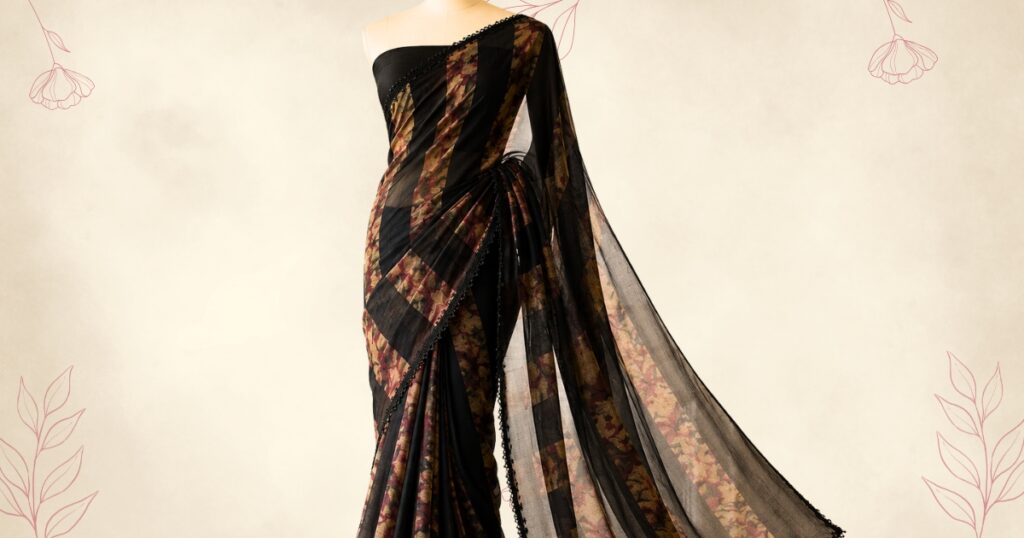
Stripes look clean and modern, and they suit women who prefer a sharper, less ornate style. Vertical stripes lengthen the figure, while diagonal ones add movement.
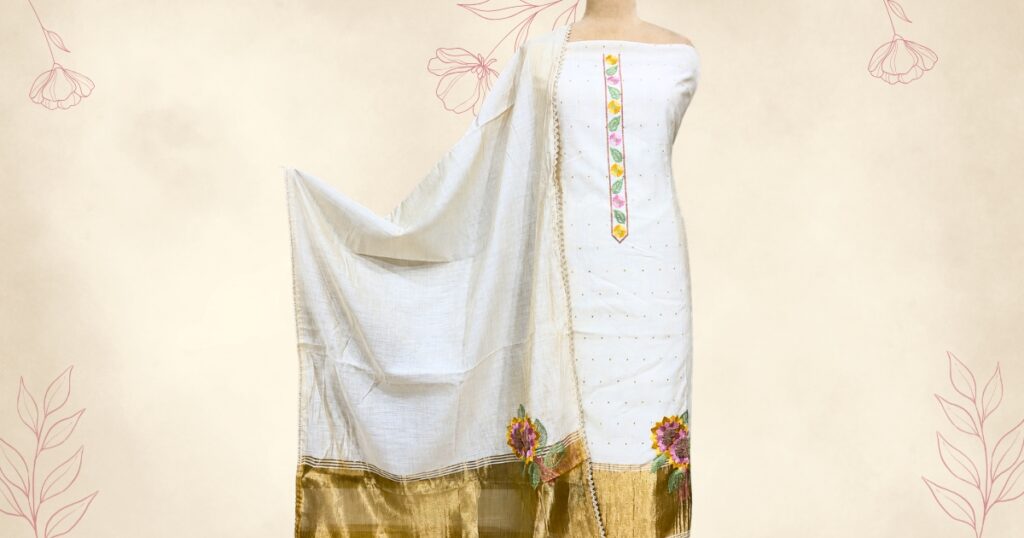
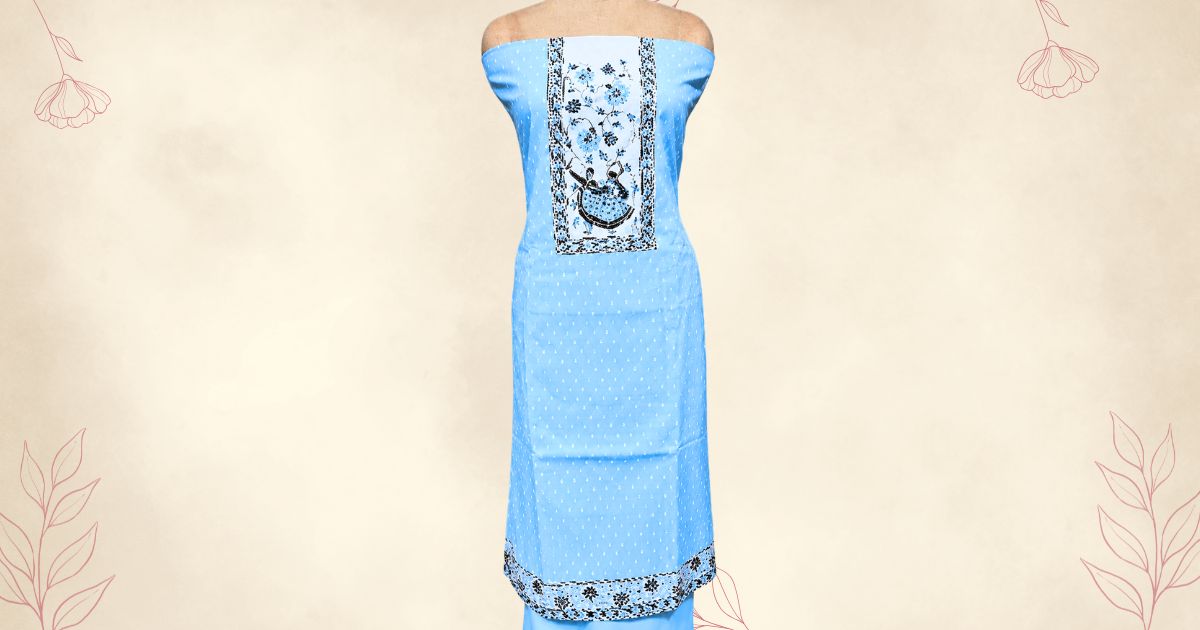
A muslin striped print suit with resham work and a printed jamdani dupatta shows how stripes can still feel traditional when paired with the right dupatta. Circle and polka prints are another fun option. A satin modal suit with a circle print dupatta and zari border, for instance, mixes playful print with festive finish.
Bandhej and lehariya prints
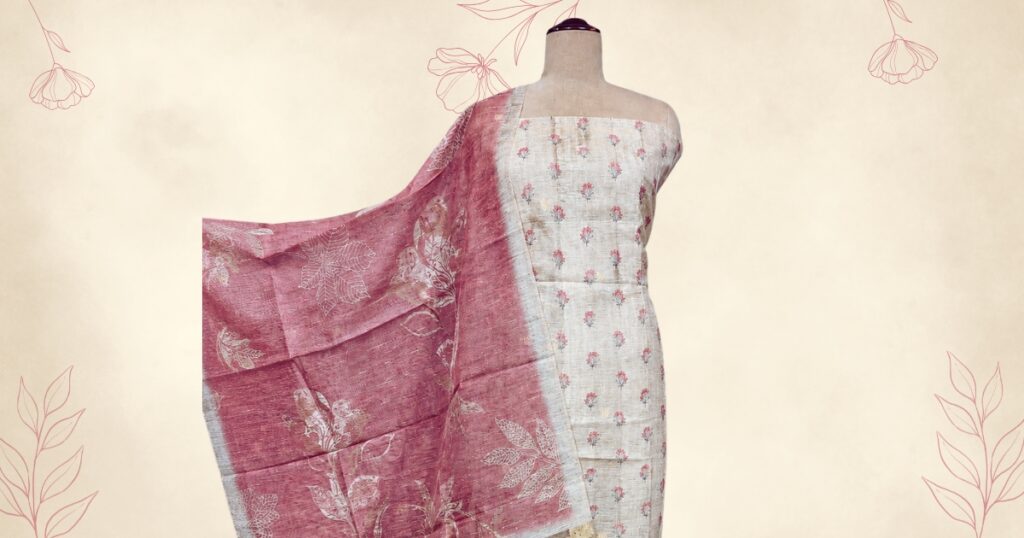
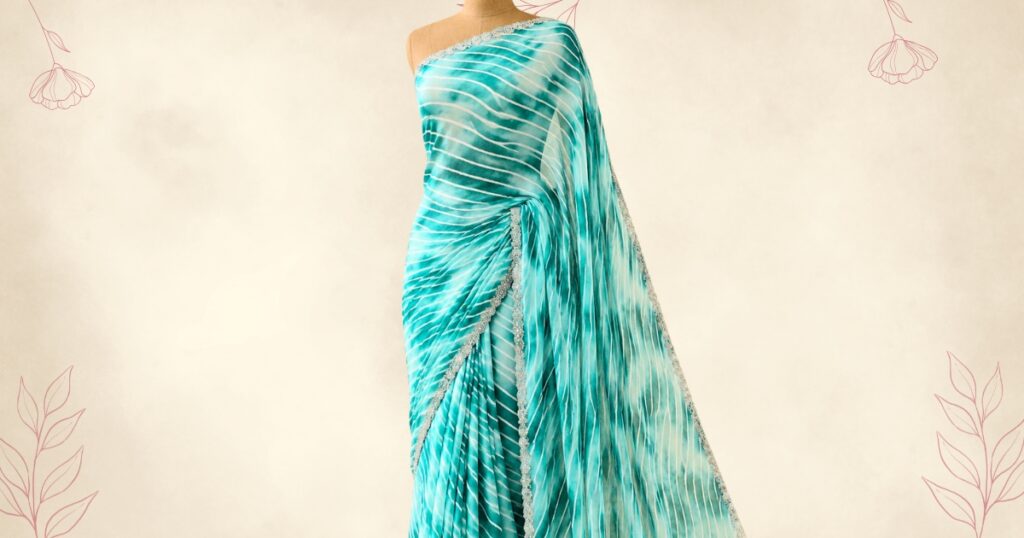
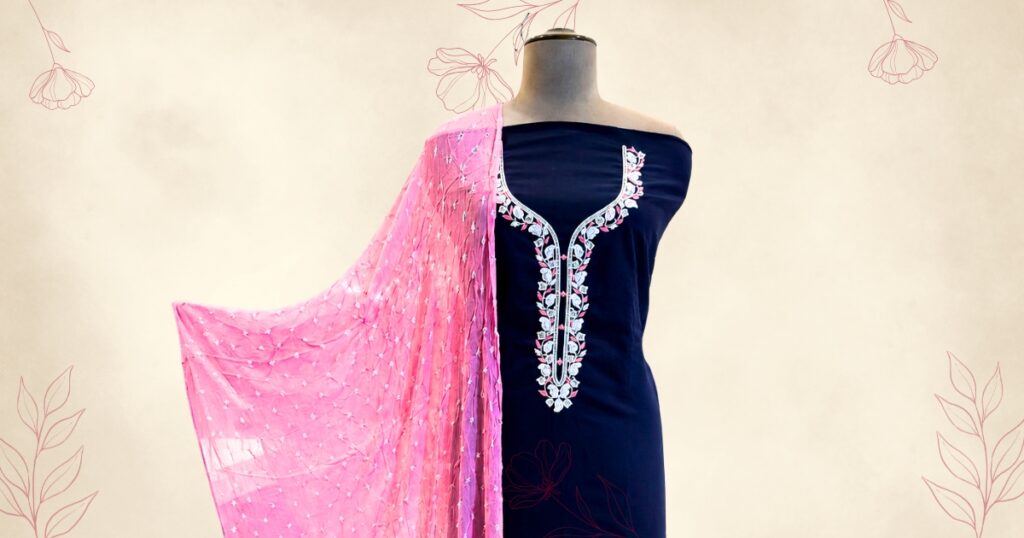
Bandhej, the tie-dye tradition from Rajasthan and Gujarat, is now often recreated in print as well as done by hand. Printed bandhej keeps the cheerful dotted look while making the suit lighter and easier to care for.
These prints suit festivals, haldi, mehendi and summer functions especially well. Choose bright bases like pink, orange, yellow and green, and keep the dupatta in a contrast colour from the print.
Matching prints to occasions
For office and daily wear, small prints, stripes and muted colours look neat and professional. For family visits and casual outings, medium prints and brighter colours feel warm and friendly.
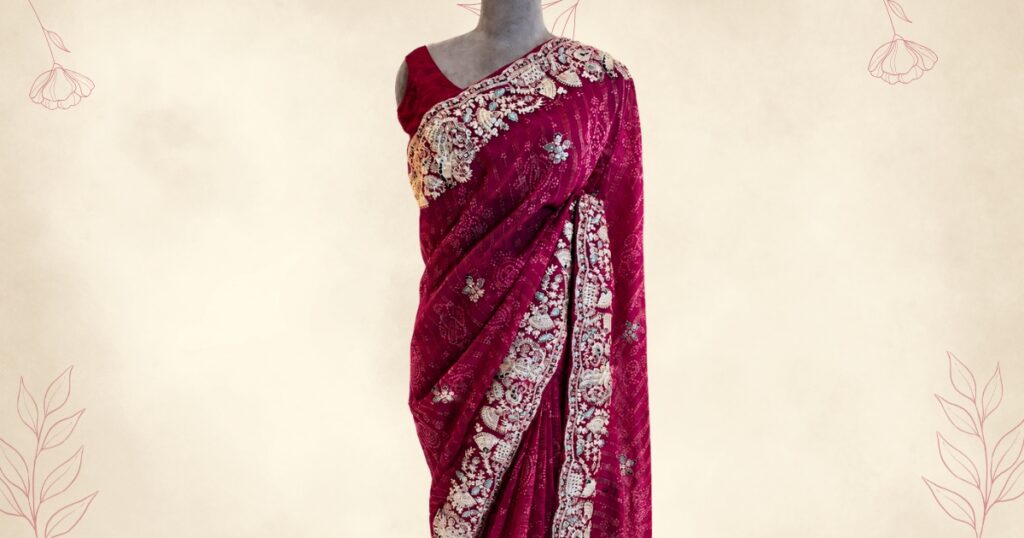
For festive and evening events, choose printed suits with an added detail, such as a zari border, a handwork neckline or a printed silk dupatta. The print keeps it comfortable, and the detail makes it occasion-ready.
Styling printed suits
The usual rule is one print at a time. If the kurta is busy, choose a solid dupatta and bottom, picking a colour from the print. If the dupatta carries the print, keep the kurta plain.
Mixing prints can work, but keep one of them small and the other large, and make sure they share at least one colour. Simple jewellery, such as oxidised silver or small gold studs, suits most printed suits better than heavy sets.
Keeping prints bright
Wash printed suits in cold water, inside out, with mild detergent. Avoid soaking for long, especially with darker colours. Dry in shade, since strong sunlight fades prints quickly. Iron on the reverse side to protect the print and any work on it.
Also read
Shop the look at Radhisha
Shop printed suits in muslin, satin, modal and silk at radhisha.com, with free shipping across India.

radhisha