







Festive Saree for Women, a Season Planner for Lohri, Sankranti and Basant Panchami

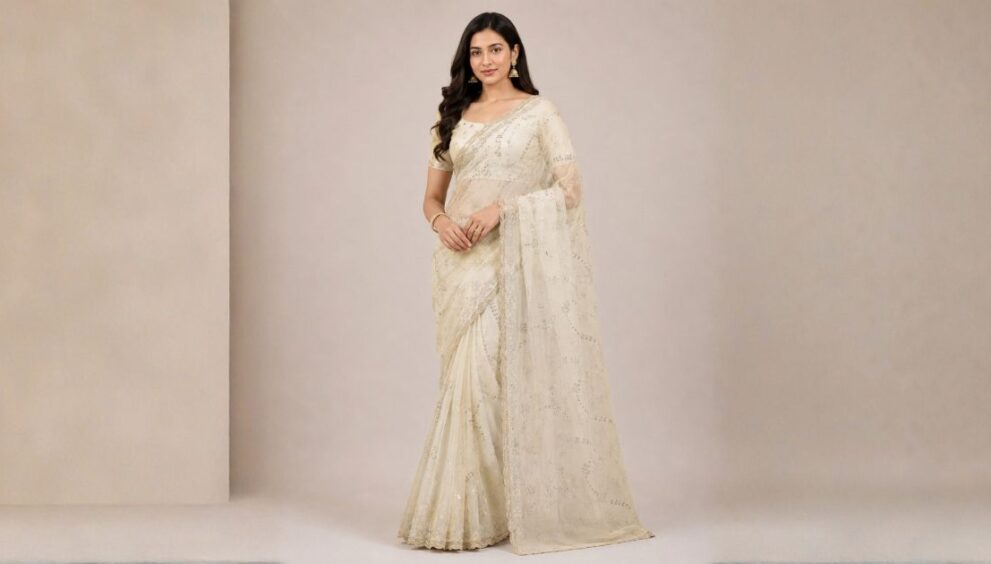
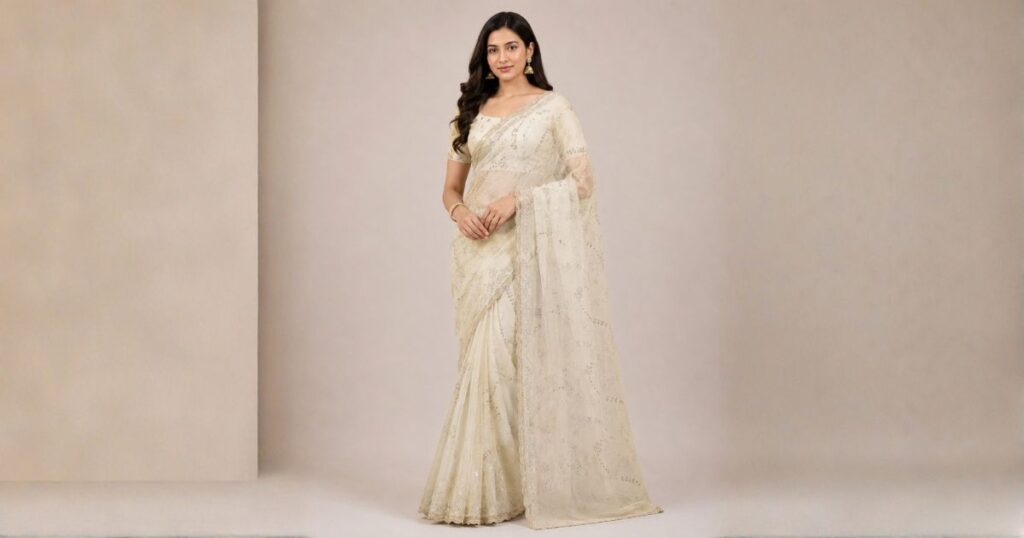
Once Diwali and the big wedding dates pass, many women pack their festive sarees away until next year. That is a pity, because January and February bring some of the most colourful festivals of the year. Lohri bonfires, Makar Sankranti kite flying, Pongal kolams and Basant Panchami all call for a festive saree for women that suits cold mornings and bright sunshine.
Here is a simple planner for the season.
Lohri, warm colours by the bonfire
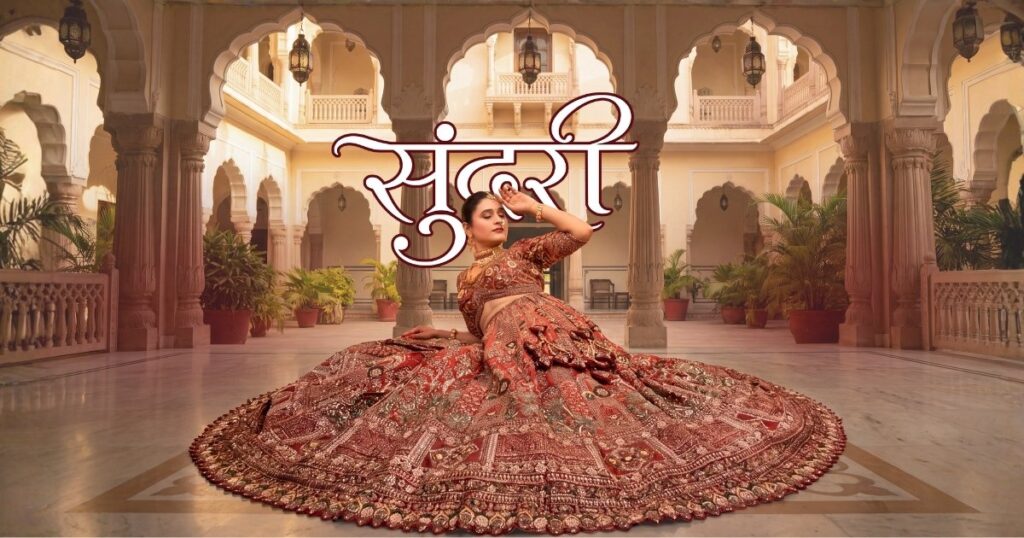
Lohri evenings are spent outdoors around a fire, so think warm colours and practical fabrics. Deep red, mustard, orange and bottle green look lovely in firelight.
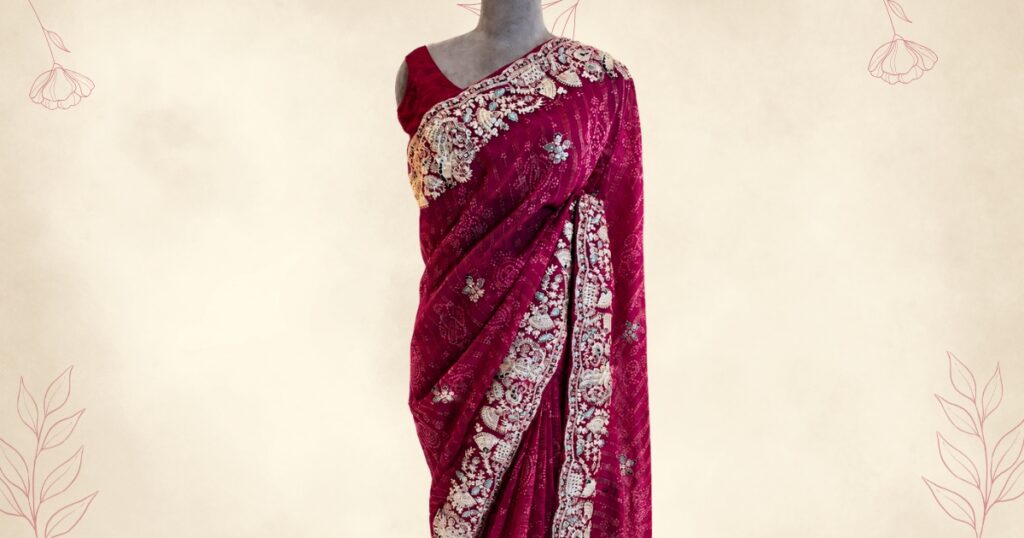
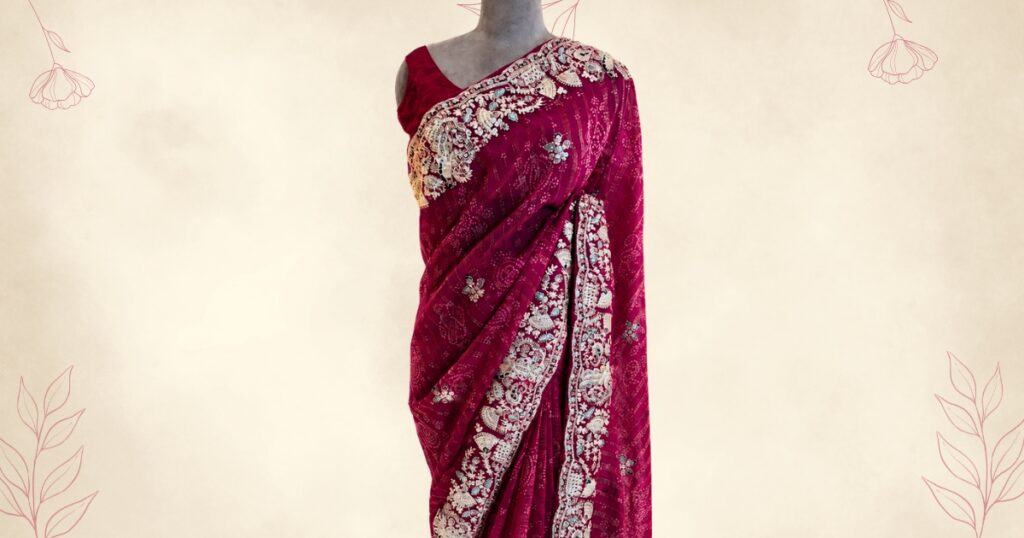
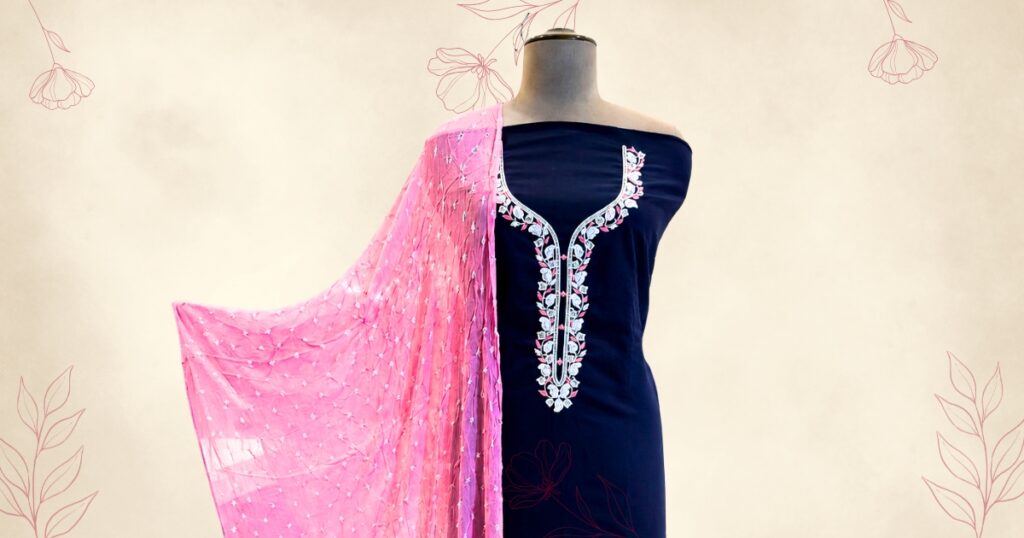
Choose a saree that can take a shawl over it without looking lost, such as a bandhej or munga saree with a strong border. Avoid very sheer fabrics and loose pallus that might come too close to the flames. Pin the pallu firmly and keep the drape neat.
Makar Sankranti, colour for the terrace
Makar Sankranti is a daytime festival, often spent on rooftops flying kites, eating til ladoos and visiting family. In many parts of India it is also the day to wear black, which holds warmth in the winter sun.
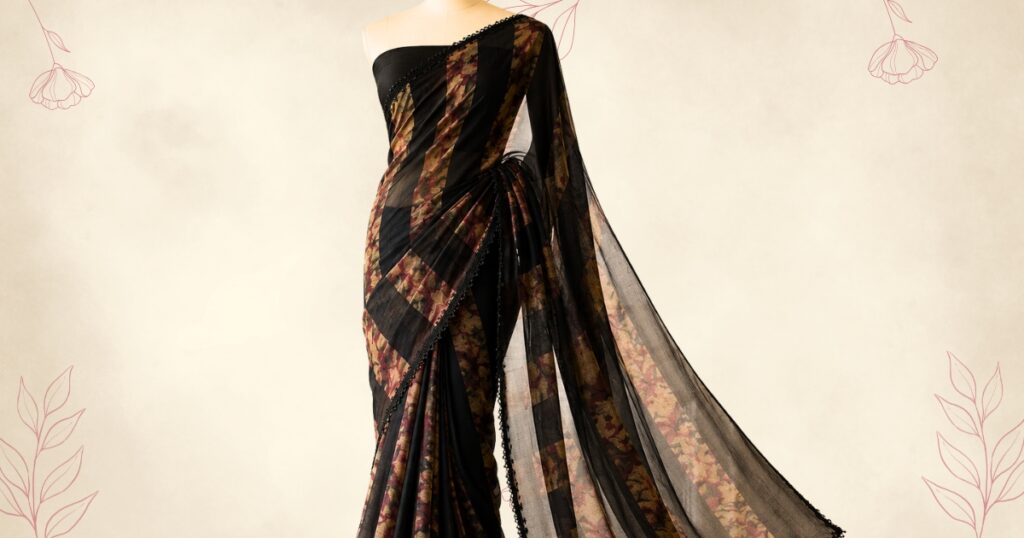
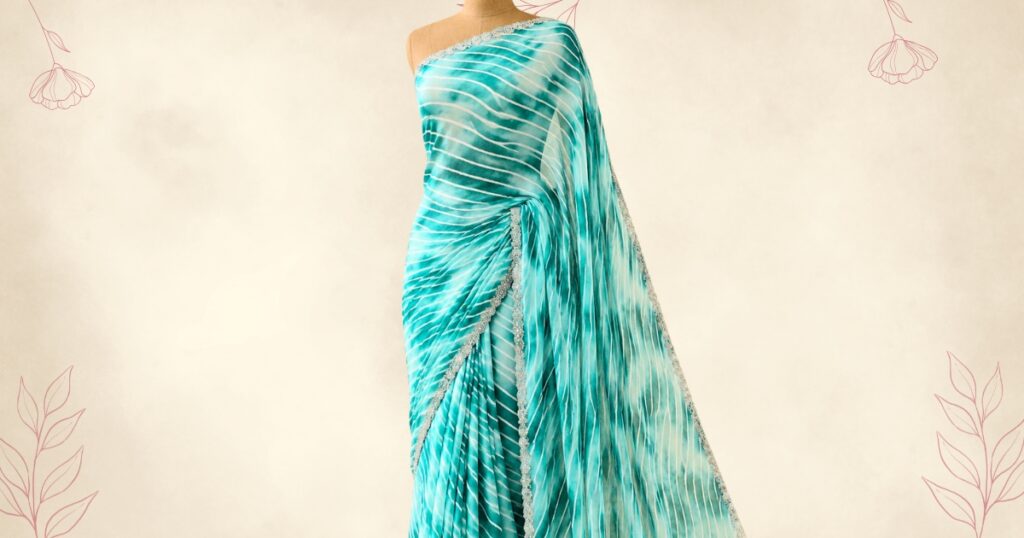
A saree for Makar Sankranti should be easy to move in. Light silks, munga, georgette and crepe work well. Black with a bright border, such as gold, red or pink, is a classic choice. If you prefer colour, kite-season shades like parrot green, rani pink and turquoise look cheerful against the sky.
Pongal and Bihu, the harvest look
For Pongal in the South and Bhogali Bihu in Assam, traditional dress varies by region, but the mood is the same. It is a harvest celebration, full of gratitude and colour.
Even if you do not follow the regional style exactly, a silk or cotton silk saree with a contrast border, worn with fresh flowers and gold jewellery, suits the spirit of the day.
Basant Panchami, the season of yellow
Basant Panchami marks the arrival of spring and the worship of Goddess Saraswati. Yellow is the colour of the day, inspired by mustard fields in bloom.
A yellow saree for Basant Panchami can be anything from a soft lemon georgette to a bright haldi bandhej. Lehariya in yellow and orange looks especially festive, and a chiffon lehariya with mirror or nalki work adds sparkle for evening pujas. If yellow does not suit you near the face, choose a saree with a yellow body and a contrast blouse in green, maroon or pink.
Layering a festive saree in winter
Winter festivals mean cold mornings even when the afternoon is sunny. A few layering ideas keep you warm without hiding the saree.
Wear a full-sleeve blouse in velvet, raw silk or a thicker fabric. Use a skin-tone thermal under the blouse. Drape a pashmina or wool shawl over one shoulder, picking a colour from the border. A long jacket or cape over the saree also looks smart for outdoor events.
Building a small festive wardrobe
You do not need a new saree for every festival. Three or four well-chosen pieces can cover the whole season. A deep red or maroon bandhej, a black saree with a bright border, a yellow lehariya and one rich silk or munga in a jewel tone will see you through Lohri to Basant Panchami. Change blouses, jewellery and shawls to keep each look fresh.
Also read
Shop the look at Radhisha
Shop festive sarees in bandhej, lehariya, munga and silk for the winter festival season at radhisha.com, with free shipping across India.

radhisha